
About Us
We are here to help parents raise happy and healthy children
About us
Helping Children Learn, Explore, and Thrive
Maranatha Montessori School was founded with a vision of creating meaningful opportunities for young children to learn and grow in a nurturing environment.
Our director, Mary Anne Grosch, dreamed of creating a school where children would feel respected, encouraged, and excited to learn.
We also teach the Spalding Method of Phonics. Spalding is very systematic and easy to learn. Children begin by learning the phonetic sounds and how to write. They then proceed to building words on a mat while using small objects and finally writing dictated words into a notebook and learning the rules of spelling. This creates strong spellers who become great readers. Great readers can do anything in life.
Our dedicated staff provides a warm, purposeful environment where each child can develop confidence, curiosity, independence, and joy while becoming an important part of our school community.
Inclusive
Responsible
Respectful
Collaborative
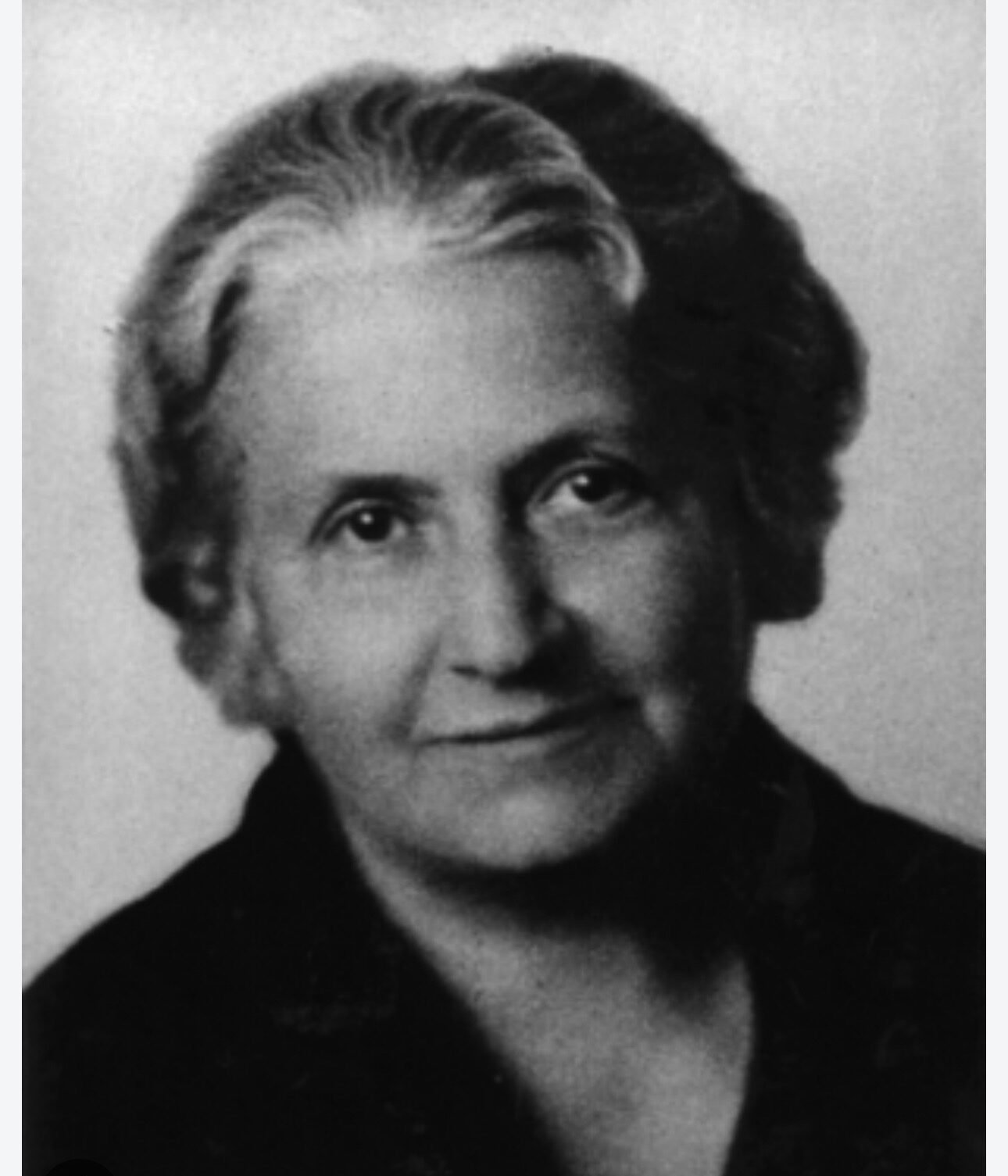
Maranatha Montessori School utilizes the principles of Dr. Maria Montessori, the first woman physician in Italy, who developed this method of learning. The two goals of Montessori education are to foster concentration and independence. Our director, Mary Anne Grosch, dreamed of creating opportunities for young children to learn, explore, and thrive in a nurturing environment. Our staff is dedicated to providing a beautiful, purposeful space where children can grow with confidence, curiosity, and joy within our vibrant school community. We serve children from infancy through kindergarten.
The Montessori Method, created in the early 1900’s by Dr. Maria Montessori was inspired by her experiences as an Italian physician and educator. While working with children in underserved communities, Dr. Montessori observed something remarkable. Children who were provided meaningful work in a thoughtfully prepared environment, and treated with respect naturally evolved into calm, confident, focused learners. This brought joy to the children. By developing specific materials in designed classrooms, the children were empowered to learn through their hands, choose meaningful work, move freely and purposefully, and build independence step by step. This innovative approach quickly gained popularity across Europe and the United States, and later globally.